
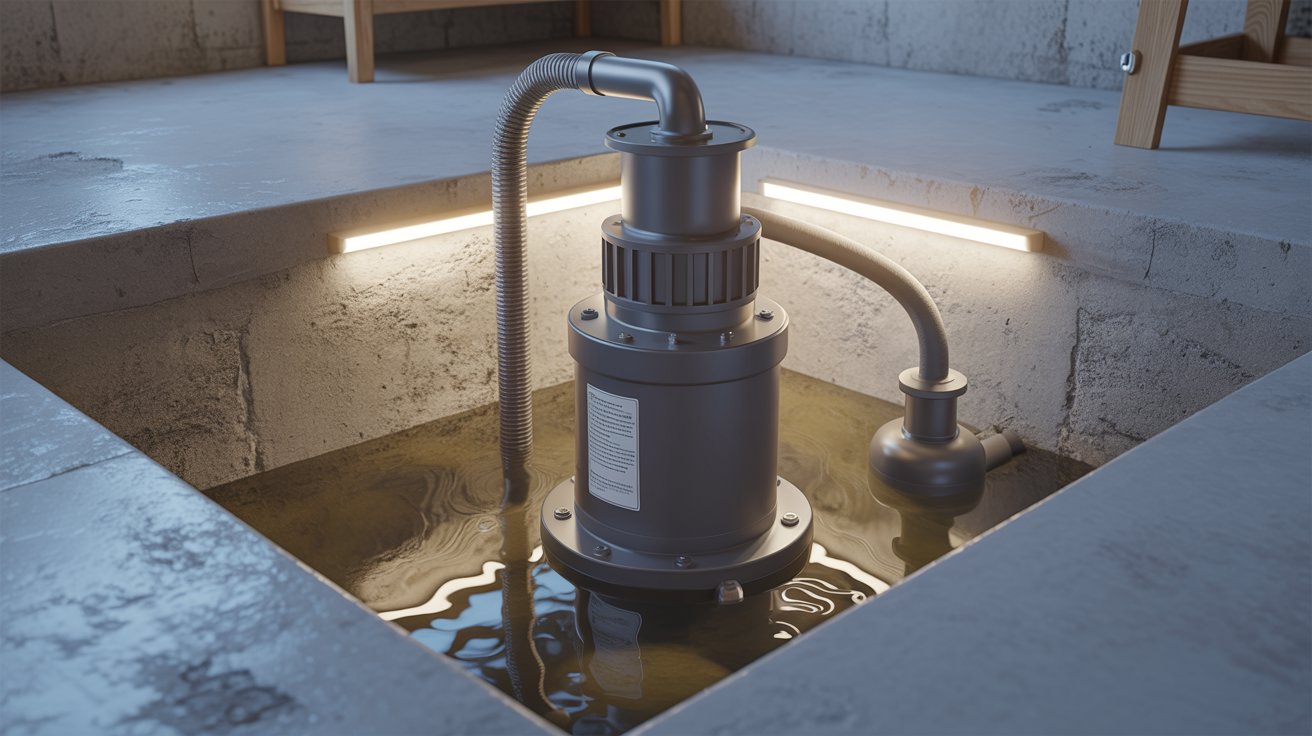
Understanding Your Sump Pump: 5 Tips to Keep It Working at Its Best
Why Every Saskatoon Homeowner Should Pay Attention to Their Sump Pump
If you own a home in Saskatoon, there's one piece of equipment quietly working in your basement that deserves far more attention than it typically gets — your sump pump. Every spring, as the snow melts and the ground thaws across the prairies, thousands of litres of water have nowhere to go but down. Without a properly functioning sump pump, that water can find its way into your basement, causing thousands of dollars in damage and significantly impacting your home's value. The good news? With a little routine maintenance, you can keep your sump pump running reliably when you need it most.
What Is a Sump Pump and How Does It Work?
A sump pump is a device installed in a sump pit (basin) — typically located in the lowest point of your basement or crawlspace — designed to collect and pump away water before it can flood your home. Understanding its key components helps you maintain it more effectively:
- Sump Pit (Basin): The reservoir that collects groundwater as it accumulates.
- Water Inflow (Drain Tiles): Underground pipes that channel water toward the pit.
- Float Switch: A sensor that detects rising water levels and triggers the pump to activate.
- Sump Pump: The motor unit that pushes water out of the pit.
- Discharge Pipe: The pipe that carries water away from your home's foundation.
- Check Valve: Prevents pumped water from flowing back into the pit once the pump shuts off.
When all of these components are working in harmony, your basement stays dry. When one fails — especially during a Saskatchewan spring thaw — the consequences can be costly.
Why Sump Pumps Matter More in Saskatchewan
Saskatoon's climate creates the perfect storm for basement water issues. Our heavy spring snowmelt, combined with clay-heavy soil that drains poorly and periodic intense rainfall throughout summer, puts significant pressure on home foundations and drainage systems. Unlike warmer climates where water infiltration is a year-round gradual concern, Saskatchewan homeowners face intense, concentrated periods of water risk. A sump pump that hasn't been tested or maintained since last year may fail precisely when it's needed most.
5 Tips to Keep Your Sump Pump Working at Its Best
1. Test It Regularly
Don't wait for a rainstorm to find out your pump isn't working. Pour a bucket of water directly into the sump pit and watch to ensure the float switch rises with the water level and triggers the pump to activate. Do this at least once before spring arrives and again in early summer. It takes five minutes and could save you from a flooded basement.
2. Check the Discharge Pipe
Your discharge pipe carries water away from your foundation, but it has a small air vent hole that can become clogged with debris over time. If this hole is blocked, an air lock can form and prevent the pump from operating efficiently. Inspect it seasonally and clear any obstructions to keep water flowing freely and away from your home.
3. Clean the Intake Screen
Over time, mud, silt, and debris can build up around the intake screen at the base of your pump. This buildup restricts water flow and forces the motor to work harder, shortening its lifespan. Carefully remove the pump from the pit annually, rinse it off, and clear any debris from the screen and surrounding area before reinstalling.
4. Inspect the Power Cord
Your sump pump is an electrical device operating in a wet environment — a combination that demands regular attention. Check the power cord for any signs of fraying, cracking, or loose connections. Ensure the cord is plugged into a properly grounded outlet and that it hasn't been pinched or damaged. Never ignore electrical wear on a device that sits near water.
5. Consider a Battery Backup System
Power outages and severe storms often go hand in hand — which means your sump pump could lose power at the worst possible moment. Installing a battery backup system ensures your pump keeps running even when the electricity goes out. For Saskatoon homeowners who experience spring storms, this is one of the smartest investments you can make in protecting your property.
Signs Your Sump Pump May Need Replacing
Even with excellent maintenance, sump pumps don't last forever. The average lifespan is 7 to 10 years. Watch for these warning signs that replacement may be needed:
- The pump runs constantly or cycles on and off too frequently
- You notice unusual grinding or rattling noises during operation
- The pump is visibly rusting or corroding
- Water remains in the pit after the pump has run
- You've experienced unexplained basement moisture or flooding
It's also worth scheduling a professional inspection every one to two years, particularly if your pump is aging or if you've had water issues in the past. A licensed plumber or home inspector can assess the full drainage system and catch problems before they escalate.
Sump Pumps and Home Value: What Buyers and Sellers Should Know
If you're thinking about selling your Saskatoon home, a well-maintained sump pump is a selling feature — and a neglected one can be a red flag for buyers. Savvy purchasers and their home inspectors will ask about the pump's age and service history. Knowing your sump pump's age and being able to demonstrate regular maintenance builds buyer confidence and supports your asking price. Conversely, if you're buying a home, always ask about the sump pump — it tells you a lot about how well the property has been cared for overall.
Ready to Make Your Next Move in Saskatoon?
Understanding the systems that protect your home — like your sump pump — is part of being a confident, informed homeowner. Whether you're maintaining your current property or getting ready to buy or sell, having the right knowledge makes all the difference. Visit our website today to start your home search and connect with a local expert who understands Saskatoon real estate inside and out. Your next chapter starts here.