
How to Spot an Up-and-Coming Neighbourhood in Saskatoon: Finding Opportunity Before Prices Rise
Why Buying in an Up-and-Coming Neighbourhood Can Pay Off
Some of the best real estate decisions in Saskatoon weren't made in the most expensive neighbourhoods. They were made by buyers who noticed an area changing before everyone else did. Think about how Broadway, Riversdale and parts of the west side have evolved over the years: new cafes, renovated character homes, busier sidewalks and, eventually, higher prices.
Buying early in a neighbourhood's upswing can mean more home for your money today and stronger appreciation tomorrow. But "up-and-coming" is also one of the most overused phrases in real estate. The key is knowing which signs actually point to lasting growth and which are just hype. Here's what to look for, what to watch out for, and how to do your homework in Saskatoon.
Compare Saskatoon Neighbourhoods Side by Side →
1. New Local Businesses and Boutiques
Entrepreneurs are often the first to spot a neighbourhood's potential. When independent owners start opening trendy cafes, craft breweries, bakeries, boutiques and unique shops, they're betting their own money that more people will soon live, work and spend time in the area.
Look for empty storefronts being filled, older commercial buildings being renovated, and new patios or murals popping up. A growing or newly formed Business Improvement District is another good sign that local businesses are organizing and investing in the street. A main street that's getting busier, especially on weekends and evenings, is one of the clearest early indicators of an area on the rise.
2. Infrastructure and Transportation Improvements
Better access almost always makes an area more desirable. Watch for new public transit lines, road upgrades, bike lanes and multi-use pathways being added or planned.
In Saskatoon, the big one to watch is Link, the city's $250 million Bus Rapid Transit system. Platforms are being built along major corridors like 8th Street and College Drive, with service expected to launch in 2028. Link is designed to move far more people with faster, more frequent buses, and the city is planning for more housing and development along these transit corridors. Homes within an easy walk of a future Link station, in neighbourhoods near the east side corridors or close to the University Heights hub, are worth keeping an eye on.
3. Rising Rental Demand
When vacancy rates are low and rents are climbing, it tells you people want to live in the area, often before purchase prices catch up. Renters tend to be early adopters of neighbourhoods close to work, school, transit and amenities.
You can track Saskatoon vacancy rates and average rents in CMHC's annual Rental Market Report. Strong rental demand also matters if you're considering a home with a mortgage helper. Browse homes with suites and income properties, or read the top 5 signs buying a house with a basement suite is right for you.
4. Renovations and New Construction
Take a drive or a walk and count the dumpsters, scaffolding, contractor signs and fresh siding. When homeowners are putting serious money into their properties, they're showing confidence in the neighbourhood's future.
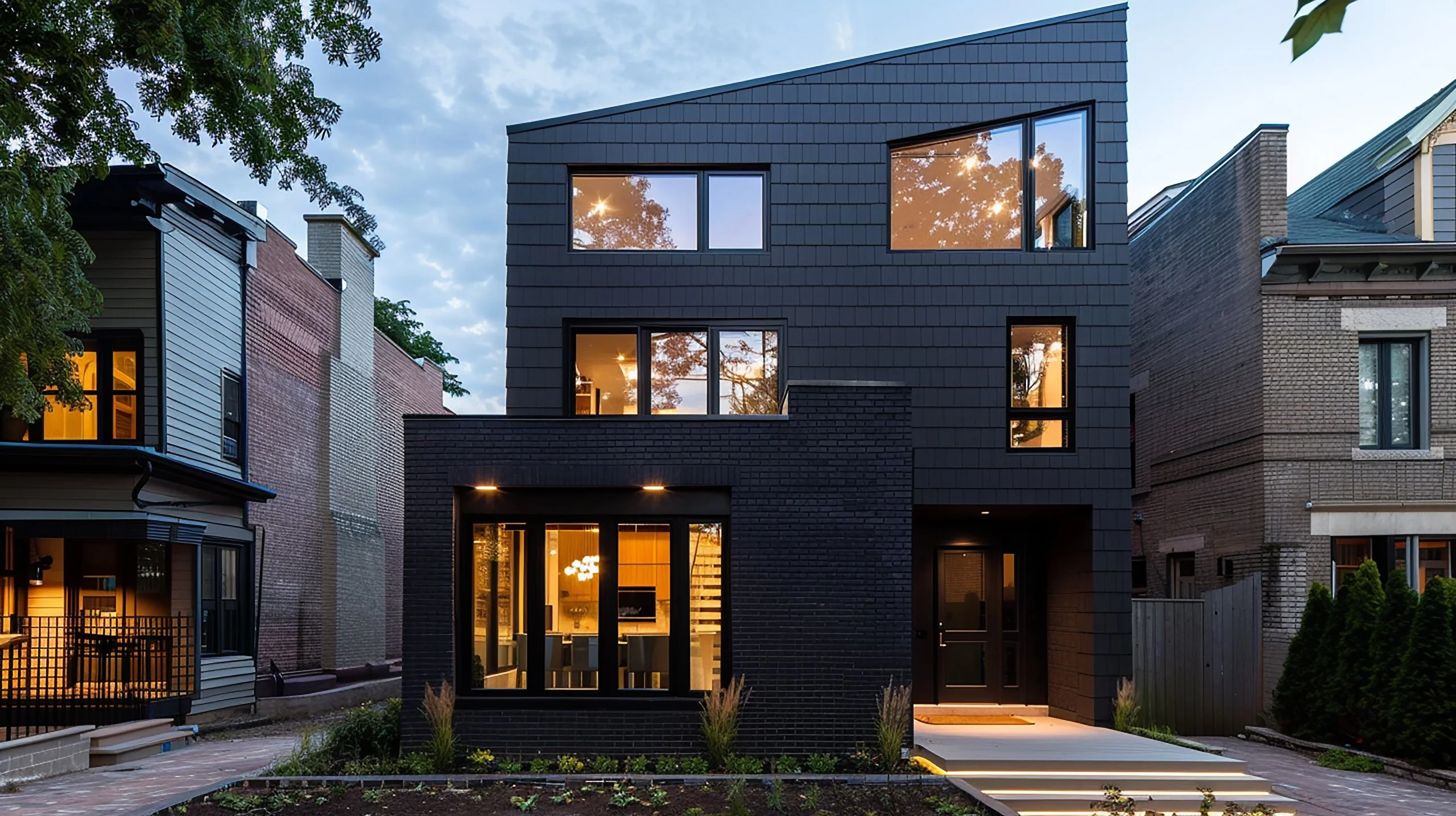
In Saskatoon's mature neighbourhoods, a key sign is infill: older homes being replaced with modern single-family homes, semi-detached units or townhouses, like the new infill homes you'll see in Caswell Hill, Westmount and Nutana. One renovated house is a project. A whole street of them is a trend. The City of Saskatoon publishes building permit information, which can show you where investment is concentrated.
👉 Browse new construction homes for sale in Saskatoon, Warman & Martensville
5. Decreasing Crime Rates
Improving public safety is one of the strongest signals that a neighbourhood is turning a corner. Look for falling crime numbers over several years, not just one good month, along with active community efforts such as neighbourhood clean-ups, better street lighting and engaged community associations.
The Saskatoon Police Service publishes crime statistics and mapping you can review by area. It's also worth talking to neighbours and local business owners. They'll tell you how the area has changed in a way no statistic can.
6. Public Investment and Urban Planning
Follow the money, especially public money. City projects for parks, street improvements, recreation facilities and development incentives often come years before private investment catches up.
Check the City of Saskatoon's local area plans, corridor plans and current development applications for any neighbourhood you're considering. Zoning changes that encourage infill and more housing options near transit, new or upgraded parks, streetscape projects, and incentives for redeveloping vacant or underused lots all suggest the city is planning for growth. Riverfront investment like River Landing next to Riversdale and the ongoing revitalization of Downtown are good local examples of public investment helping lift nearby areas.
Signs Many Buyers Miss
The six signs above are the classics. These four are just as important and often overlooked.
7. It Borders a Neighbourhood That's Already Popular
Growth tends to spill over. When buyers get priced out of a sought-after area, they look next door. Neighbourhoods right beside established favourites, sharing the same parks, shopping, schools or commute, are often the next to see rising demand. Our guide to what to consider about a neighbourhood walks through what matters most.
8. Homes Are Selling Faster and for Closer to List Price
The numbers often tell the story before the street does. Watch for shorter days on market, fewer price reductions, multiple offers and steadily rising sale prices compared to the rest of the city. You can check sold prices in any Saskatoon area or follow the trends on our Saskatoon Real Estate Market page and in our weekly market reports.
9. Schools Are Being Built, Expanded or Improved
New schools, school renovations and in-demand programs like French Immersion draw families, and families tend to stay and invest in their homes. Use our Saskatoon School & Property Matcher to see which schools serve which areas and what programs they offer.
10. Young Buyers, Families and Professionals Are Moving In
Pay attention to who you see: young couples renovating a fixer-upper, strollers on the sidewalk, people biking to work. First-time buyers and young families often lead a neighbourhood's turnaround because they're willing to put in sweat equity. Nearby job growth, such as the University of Saskatchewan, hospitals, and expanding industrial and business areas, adds even more demand.
Red Flags: When "Up-and-Coming" Isn't a Sure Thing
Not every neighbourhood with a new coffee shop is about to take off. Keep these risks in mind:
- Timelines can be long. Planned projects can be delayed, scaled back or cancelled. Buy a home you're happy living in today, not just one that might be worth more someday.
- Construction disruption is real. Major road and transit work can mean years of detours and noise before the benefits arrive.
- Don't overpay for potential. If sellers are already pricing in the neighbourhood's future, the opportunity may have passed.
- Check the home itself. Older homes in revitalizing areas can come with foundation, drainage, electrical or sewer line issues. A thorough home inspection is a must.
- Think about resale. Some features hurt value no matter how hot the area gets. Here are the top 5 things that can hurt a property's resale value and the top neighbourhood red flags to look for in Saskatoon.
Your Up-and-Coming Neighbourhood Research Checklist
- Visit at different times. Walk the area on a weekday morning, a weekend afternoon and an evening.
- Check city plans. Review local area plans, development applications, building permits and Link transit routes on the City of Saskatoon website.
- Review crime data. Look at multi-year trends from the Saskatoon Police Service.
- Look at the rental market. Check vacancy rates and average rents in CMHC's Rental Market Report.
- Study sold prices. Compare recent sales and days on market with nearby neighbourhoods.
- Talk to locals. Business owners, neighbours and the community association know what's changing.
- Talk to Clayton and Jessica, your trusted REALTORS®. Call or text Jessica at 306.241.6029. We see sales data, showing activity and buyer demand that never makes the news.
Bring our free interactive home viewing checklist to your showings, and use the Neighbourhood Match Quiz to find your top three Saskatoon areas based on your lifestyle.
Ready to Find Your Opportunity in Saskatoon?
Spotting an up-and-coming neighbourhood takes a mix of research, local knowledge and timing. Whether you're a first-time buyer looking to get into the market, a family wanting more space for your money, or an investor looking for long-term growth, we can help you weigh the potential against the risks and find the right home in the right area at the right price.
Start exploring at HousesinSaskatoon.com, see the newest listings from the last 24 hours, or call or text us directly at 306.341.4401. We'd love to show you the neighbourhoods we think are worth watching.
— Clayton McNally & Jessica Hamel, Trusted Realty, Powered by RE/MAX Saskatoon
More Tools for Saskatoon Home Buyers
New to the city? Start with our New to Saskatoon relocation guide. Ready to crunch numbers? Try our mortgage calculator, see what $350,000 buys you in Saskatoon, or walk through every step of the purchase in our free Saskatoon Home Buyer's Guide.