
Top 5 Ways to Improve Your Property's Grading in Saskatoon
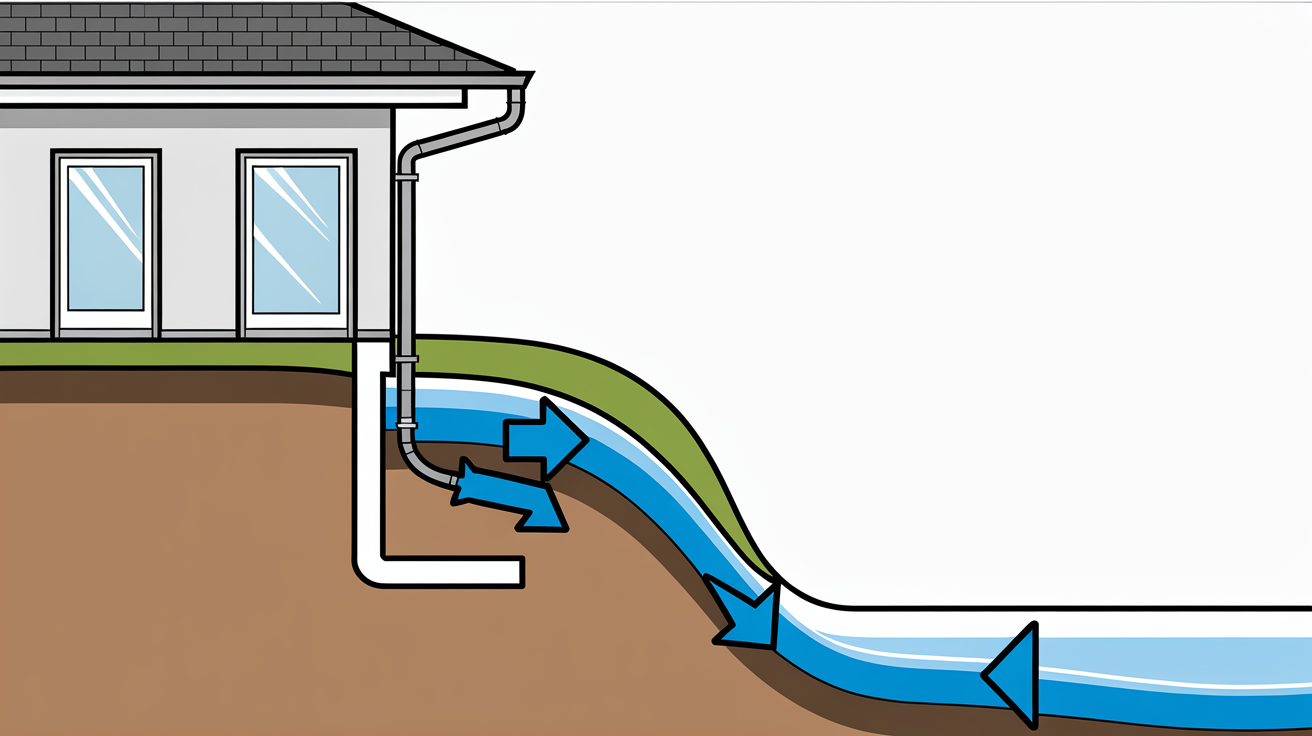
How do you improve your property's grading in Saskatoon? Slope the ground at least 6 inches down over the first 10 feet from your foundation (about 15 cm over 3 metres), extend downspouts 6 to 10 feet out, fill low spots with topsoil, keep window wells clear with gravel at the base, and keep garden beds and sprinklers away from the foundation. Check it every spring, because clay soil shifts.
Updated November 2026 by Clayton McNally & Jessica Hamel, REALTORS®, RE/MAX Saskatoon
Why Does Grading Matter So Much?
Because the slope of your yard decides whether water flows away from your foundation or straight toward it. After a heavy spring thaw, many Saskatoon homeowners deal with soggy yards and water pooling against the house. Proper grading is often the simplest fix, and getting it wrong can lead to costly foundation repairs or basement waterproofing.
Why Is Grading Harder in Saskatoon?
Spring snowmelt, freeze-thaw cycles and clay soil all work against you. Snowmelt produces heavy runoff in a short time, and freeze-thaw cycles gradually shift and settle the soil, so grading that was fine a few years ago may not be now. Saskatoon's clay-heavy soils also expand when wet and shrink when dry, which stresses foundations and changes your yard's slope over time. That's why it's smart to check your grading every spring.
Warning signs of a grading problem:
- Water stains or dampness in your basement
- Efflorescence (white, chalky deposits) on foundation walls
- Soggy or waterlogged areas in the yard after rain or snowmelt
- Visible cracks in your foundation
Buyers can watch for the same signs at showings with our home viewing checklist.
1. How Much Should the Ground Slope Away From Your House?
At least 6 inches downward over the first 10 feet (about 15 cm over 3 metres). This is the single most important grading rule, because it makes water flow away from your home instead of pooling against it. Soil settles over time, so walk around your home after a heavy rain and watch where the water goes. If it moves toward the house, add topsoil and regrade.
2. How Far Should Downspouts Extend?
At least 6 to 10 feet (about 2 to 3 metres) from your home. Your eavestroughs collect a lot of water in a storm, and downspouts that empty right at the foundation work against you. Extensions and splash pads are inexpensive and install in minutes. More tips in our guide to protecting your house from rain damage. Check your downspouts again before winter as part of our 5 things to do before Saskatoon freezes over.
3. How Do You Fix Low Spots in the Yard?
Add topsoil and regrade them so water drains away. Low spots trap standing water after rain or snowmelt, and it can seep toward your foundation. Use topsoil with a little sand for better drainage, compact it gently, and reseed. (Our fall lawn care tips cover overseeding.)
4. How Do You Keep Window Wells From Leaking?
Keep them clean, with gravel at the bottom, and consider covers. Window wells clogged with leaves and dirt fill with water in heavy rain and push against your basement windows. Clean them out seasonally and fill the base with gravel or crushed rock so water drains freely. Replace old or poorly installed wells, or add covers to keep debris out.
5. Could Your Landscaping Be Causing Foundation Moisture?
It could. Flower beds right against the foundation, leaky irrigation and overwatering near the house all add moisture to foundation walls. Keep beds slightly away from the house and keep irrigation and plumbing in good repair. (Before winter, blow out your sprinklers.) If moisture persists, a waterproof foundation coating adds protection, and if you have a sump pit, follow our sump pump best practices.
When Should You Call a Professional?
For major slope correction, drainage problems across the whole yard, or visible foundation damage. Many grading fixes are DIY projects, but a landscaping or grading contractor is worth it for bigger jobs, and fixing drainage early usually costs far less than foundation repair or full basement waterproofing later. For sewer-related flooding, see our guide to sewer backup and backwater valves.
Does Good Grading Help When You Sell?
Yes. Proper drainage is one of those behind-the-scenes details that separates a well-maintained home from one quietly collecting damage, and buyers' inspectors look for it. Photograph your grading before snow covers it (see take these 5 photos before the snow) and log any regrading in our Home Records & Warranty Tracker.
Thinking about buying or selling? Explore the Saskatoon real estate market, find out what your home is worth, or talk to Clayton and Jessica, your trusted REALTORS®: call or text 306.341.4401 or get in touch here.