
How Is Your Home Heated? 8 Heat Sources Found in Saskatchewan Homes
How is your home heated? In Saskatoon and area, as of November 2026, most homes use a natural gas furnace, but you'll also find electric baseboards, electric furnaces, boilers, heat pumps, wood heat, propane or oil furnaces and in-floor heat. Each one costs a different amount to run and replace, so ask about it before you buy.
Updated November 25, 2026 by Clayton McNally & Jessica Hamel, REALTORS®, Trusted Realty, Powered by RE/MAX Saskatoon
Why Does the Heating System Matter So Much When You Buy in Saskatchewan?
Because it's the system you can least afford to have fail in January. Natural Resources Canada says space heating makes up about 64% of the energy used in the average Canadian home, more than water heating, appliances and lighting combined. In Saskatchewan, the heating system affects your monthly bills, your home insurance and, sooner or later, a replacement bill that can run into the thousands.
It's also one of the items home inspections flag most often. Knowing what you're looking at during a showing helps you ask the right questions before you write an offer.
What Are the 8 Heat Sources Found in Saskatchewan Homes?
Here's a quick look at each one, where you'll usually find it, and the first thing to ask about it.
| Heat source | How it works | Where you'll often see it | First question to ask |
|---|---|---|---|
| 1. Natural gas furnace | Heats air, sends it through ductwork | Most Saskatoon houses | How old is it, and when was it last serviced? |
| 2. Electric baseboard | Heater in each room, no ducts | Legal basement suites, condos, additions | Does every heater work, and what do winter power bills run? |
| 3. Electric furnace | Electric elements heat air for the ducts | Homes without gas service | What do the winter power bills run? |
| 4. Boiler / hot water | Heats water for radiators or loops | Older character homes, apartment buildings | Any leaks, and when was it last serviced? |
| 5. Heat pump | Moves heat instead of making it | Newer and upgraded homes | Is it a cold-climate model, and what's the backup? |
| 6. Wood heat | Wood stove or fireplace | Acreages, cabins, some older homes | Has it had a WETT inspection? |
| 7. Propane / oil furnace | Furnace fuelled from an on-site tank | Rural properties without natural gas | Is the tank owned or leased, and how old is it? |
| 8. In-floor heating | Hot water or electric heat in the floor | Basements, garages, shops, new builds | Which zones does it heat, and what powers it? |
1. What Should You Know About a Natural Gas Furnace?
It's the most common heating system in Saskatoon, and usually the cheapest to run. A gas furnace heats air and pushes it through ductwork to vents in each room. Newer high-efficiency furnaces vent through plastic pipes out the side of the house, while older mid-efficiency units usually vent up a metal flue or chimney.
With regular maintenance, a furnace commonly lasts 15 to 20 years, according to HVAC company Enercare. A furnace near or past that age still might work fine, but plan for its replacement. SaskEnergy's Residential Equipment Replacement Rebate currently lists $325 for an eligible 97%+ AFUE furnace that replaces existing equipment.
From our own deals: it's very common for home inspections to turn up furnace issues, and they often lead to a price amendment or the sellers repairing something before possession. We see it most in homes that were rentals. In those properties it's more common than not that the inspector has to rip the furnace filter out because it hasn't been changed in so long it jammed. When that happens, we help our buyers decide whether to ask for a repair, a service, or money off the price.
2. Is Electric Baseboard Heat Expensive to Run?
It usually costs more to run than natural gas, but it's simple and quiet, with no ducts or furnace to maintain. Each room has its own heater and often its own thermostat, so you can keep unused rooms cooler. In our experience, most legal basement suites in Saskatoon are heated with electric baseboards, and you'll also see them in apartment condos, additions and older cottages.
Because each heater works on its own, one can quietly stop working while the rest of the home stays warm. At a showing or inspection, turn each thermostat up and make sure every heater actually warms up, ask for recent winter power bills, and check that the heaters aren't blocked by furniture or curtains.
From our own deals: on a recent purchase with a legal basement suite, the home inspection found that two of the suite's baseboard heaters had stopped working, leaving two rooms quite cold. After the inspection, we negotiated for the seller to replace the heaters and have the heat working before possession, so our buyers and their future tenant started with a warm suite.
Looking at a home with a suite? Browse income properties with suites in Saskatoon. In a condo, ask whether heat is included in your condo fees or billed to you, and browse condos for sale in Saskatoon. We'll find out how each one is heated.
3. How Is an Electric Furnace Different From a Gas Furnace?
It works the same way, sending warm air through ductwork, but it heats the air with electric elements instead of a gas flame. That means no gas line, no venting and no carbon monoxide from the furnace itself. The trade-off is running cost: per unit of heat, electricity costs much more than natural gas in Saskatoon (see the cost table below).
Electric furnaces show up in homes without natural gas service, including some rural and mobile homes. Ask about the bills and whether the electrical panel has room for any upgrades you're planning.
4. What Is a Boiler or Hot Water Heating System?
A boiler heats water and circulates it through radiators, baseboard convectors or in-floor loops. It gives an even, quiet heat without blowing dust around, which is why many people love it. You'll find boilers in older character homes in areas like Nutana and City Park, and in many apartment-style condo buildings, where the heat is often shared and paid through condo fees.
Ask when the boiler was last serviced, look for rust or water stains around radiators and pipes, and find out the age of the boiler itself. SaskEnergy lists $750 for an eligible boiler and $800 for an eligible combi boiler (one that heats both your home and your water) that replace existing equipment.
5. Do Heat Pumps Work in a Saskatchewan Winter?
Yes, with the right model and a backup. A heat pump moves heat from the outside air (or the ground) into your home instead of burning fuel to make it, and it also cools your home in summer. Natural Resources Canada says modern cold-climate air source heat pumps can provide heat down to about -30°C.
Saskatoon winters can get colder than that, so most homes pair a heat pump with a gas or electric furnace that takes over in a deep freeze. Ask whether it's a cold-climate model, what the backup heat is, how old the outdoor unit is and whether there's a service record.
6. What Should Buyers Know About Wood Heat?
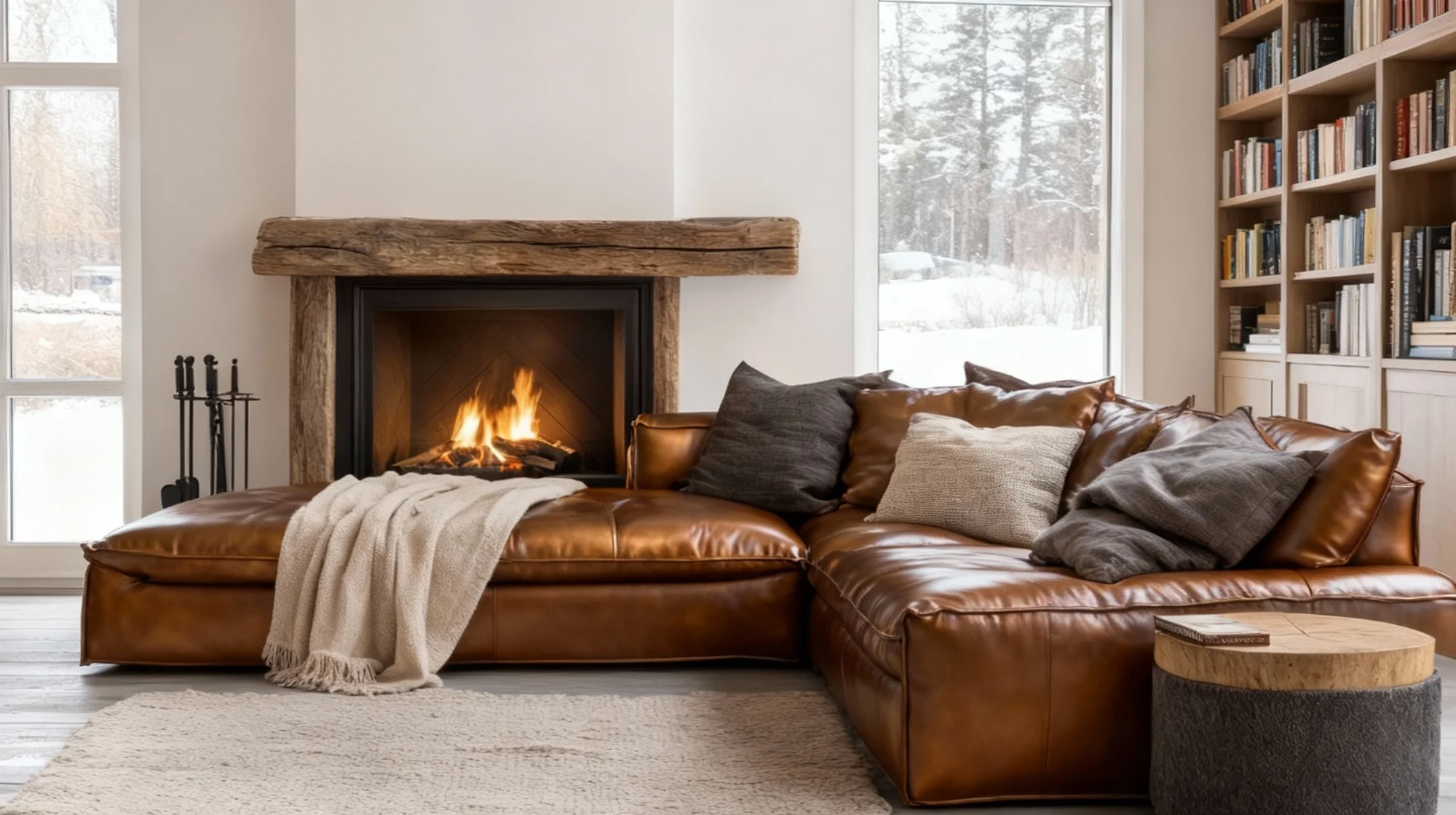
Wood stoves and fireplaces can be a cozy main heat source or a backup during a power outage, and you'll see them a lot on acreages around Saskatoon. They do need more attention: hauling and storing wood, regular chimney cleaning and safe clearances from walls and floors.
Insurers almost always ask about wood heat, and many want a WETT (Wood Energy Technology Transfer) inspection before they'll cover the home. Ask the sellers for any WETT certificate and chimney cleaning records, and call your insurer early. Our guide Can You Insure That House? covers what else they ask about.
7. Why Do Some Rural Homes Use Propane or Oil?
Because natural gas lines don't reach every rural property. A propane or oil furnace works like a gas furnace, but it burns fuel stored in a tank on the property. Fuel prices change with the market, so ask for the last year of delivery receipts to get a feel for costs.
- Is the tank owned or leased? Many propane tanks belong to the supplier, which means a rental fee and a contract.
- How old is the tank, and where is it? Insurers often ask about the age and location of oil tanks, especially older ones.
- Who delivers, and how often? Find out the supplier and delivery schedule so you don't run low in your first winter.
8. Is In-Floor Heating Worth It?
Many buyers love it, especially in basements, garages and shops. In-floor (radiant) heat warms the floor itself, using hot water loops from a boiler or water heater, or electric mats. It's quiet, comfortable and keeps a concrete basement or heated garage pleasant all winter.
Ask which areas it heats, what powers it, whether it has its own thermostats, and when the boiler or water heater feeding it was last serviced. You'll find in-floor heat in many newer builds and acreage shops.
Which Heat Source Costs the Least to Run in Saskatoon?
Natural gas, by a wide margin. By our estimate, at current rates, each unit of heat from electric baseboards or an electric furnace costs roughly seven times more than heat from a high-efficiency gas furnace, and a heat pump falls in between.
| Heat source | Rate used | Est. cost per GJ of heat |
|---|---|---|
| Natural gas furnace (96% efficient) | SaskEnergy: $3.20/GJ commodity + $0.1113/m³ delivery | About $6.40 |
| Heat pump (2 to 3 units of heat per unit of power) | City of Saskatoon: 17.02¢/kWh | About $16 to $24 |
| Electric baseboard or furnace | City of Saskatoon: 17.02¢/kWh | About $47 |
Sources: SaskEnergy residential rates (in effect since October 1, 2023); City of Saskatoon residential electrical rate, effective February 1, 2026. Our estimate: 1 GJ = 277.8 kWh and about 37.8 MJ per m³ of gas; excludes monthly basic charges and taxes. Homes served by SaskPower pay SaskPower's rates. Propane, oil and wood prices vary too much to include. Rates change, so check your own bills.
For scale, SaskEnergy says an average Saskatchewan home uses about 100 GJ of natural gas a year. A well-insulated home uses less of whatever fuel it burns, so draft-proofing pays off with any system. Our affordable ways to make your Saskatoon home more energy efficient are a good place to start.
What Should You Ask About the Heating Before You Buy?
Ask about the costs, the age, the maintenance, the energy source and the replacement cost. Here's the list we use with our buyers:
- Heating costs: ask for 12 months of gas, power or fuel bills, so you see the winter months, not just the summer.
- Age of the equipment: the furnace, boiler or heat pump label usually shows the manufacture date, and your inspector can read it.
- Maintenance history: service receipts, filter changes, chimney cleaning or WETT inspections.
- Energy source: natural gas, electricity, propane, oil or wood, and whether any tanks or equipment are owned or rented.
- Replacement costs: if it's near the end of its life, get a quote so you can budget, or negotiate.
- Every room, every heater: make sure each baseboard, vent or radiator actually puts out heat, including in a basement suite.
- Secondary heat: fireplaces, space heaters in the basement or a heated garage all add to the picture.
Our printable What to Look For home viewing checklist helps you spot these items at showings. While you're in the mechanical room, check the water heater too, using our tank vs. tankless water heater guide.
What Happens if the Inspection Finds a Heating Problem?
Usually it gets negotiated. Depending on what the inspector finds, we can ask the sellers to repair or replace the equipment before possession, like the suite baseboard heaters above, or amend the price so you can handle it yourself. Big issues, like a cracked heat exchanger, can be a safety concern and need a licensed gas contractor's opinion before you remove conditions. See how we protect you through inspections and conditions.
After possession, change the furnace filter right away (it's on our Possession Day Checklist), book a service if there are no records, and keep every receipt in our free Home Records & Warranty Tracker. Getting ready for winter? See 5 things to do before Saskatoon freezes over.
Home Heating FAQ
What is the most common way to heat a home in Saskatoon?
A natural gas forced-air furnace. Most Saskatoon houses have one, and it's usually the cheapest to run at current rates.
How are basement suites in Saskatoon usually heated?
In our experience, most legal basement suites use electric baseboard heaters. Check that each one works before you buy.
How long does a furnace last?
Commonly 15 to 20 years with regular maintenance. Age alone doesn't mean it needs replacing, but it's worth budgeting for once it gets close.
Does SaskEnergy offer rebates on furnaces and boilers?
Yes. Its Residential Equipment Replacement Rebate lists $325 for an eligible furnace, $750 for a boiler and $800 for a combi boiler. They're for replacements only, installed by a TSASK-licensed gas contractor, and you have 120 days after installation to apply. Check saskenergy.com for current terms.
Will a wood stove affect my home insurance?
Often, yes. Many insurers want a WETT inspection and may charge more or ask questions about installation and use. Call your insurer before you remove conditions.
Can a heat pump be my only heat in Saskatoon?
Cold-climate models can heat to about -30°C, but Saskatoon can get colder, so most homes keep a gas or electric backup.
More questions? See our Saskatoon Real Estate Questions & Answers or look up a listing term in our Real Estate Glossary. For the full buying process, start with our Saskatoon Home Buyer's Guide.
Want Help Sizing Up a Home's Heating?
We'll point out the furnace, boiler, tanks and everything else in the mechanical room at your showing, and make sure the right questions get answered before you commit. Talk to Clayton and Jessica, your trusted REALTORS®: call or text Jessica at 306.241.6029 or Clayton at 306.341.4401, or browse homes for sale and book a showing.
Sources
Natural Resources Canada, Heating equipment for residential use and Heat pumps. SaskEnergy, Residential Equipment Replacement Rebate Program terms (revised August 17, 2026) and residential rates. City of Saskatoon, electrical rates effective February 1, 2026. Enercare, How long should a furnace last? This article is general information, not heating, gas, insurance or legal advice. Confirm equipment condition with a home inspector and licensed contractor, and rebates with SaskEnergy.